The Evolution of Camera Lenses | From Simple Glass to Modern Cinema Optics
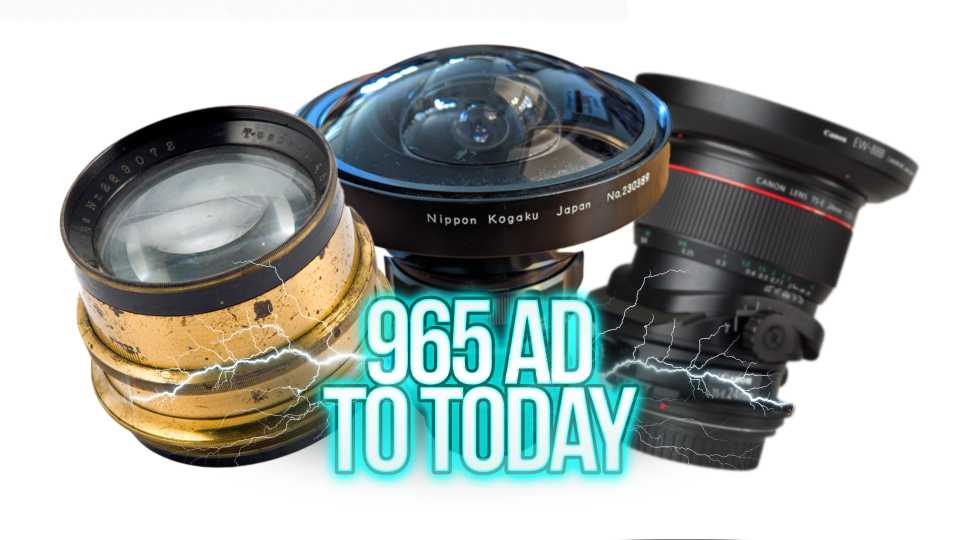
From the first experiments with light in the 10th century to modern cinema lenses, this video explores over 1000 years of optical evolution.
Every image you see on screen begins with a lens. It’s not just a piece of glass, it’s the tool that shapes light, controls depth, defines perspective, and ultimately determines how a scene feels. While camera bodies capture and process images, lenses are responsible for the visual language of filmmaking.
In this video, we break down how lenses evolved from simple magnifying glass systems to highly engineered optical instruments used in modern cinema. Along the way, we explore the physics behind aperture, depth of field, focal length, and perspective, as well as the engineering challenges that shaped lens design over time.
You’ll learn how early scientists laid the foundations of optics, how photography introduced new technical constraints, and how innovations like the Petzval lens, multi-element designs, anti-reflective coatings, and anamorphic optics transformed visual storytelling.
We also dive into the differences between prime and zoom lenses, how autofocus systems work, and why cinematographers still rely heavily on manual focus. From fisheye lenses in action sports to tilt-shift optics in architecture, this video covers the full spectrum of creative and technical lens applications.
Finally, we explore modern cinema optics, including advanced glass types, floating elements, and the future of computational photography, adaptive optics, and AI-assisted imaging.
This is a complete breakdown of how lenses work, how they evolved, and why they remain the most important tool in photography and filmmaking.